Key things to verify before heading to the Hatta region
Understanding the Hatta landscape
The Hatta region, set in the Hajar Mountains, is a popular escape from the city. Its rugged terrain, rocky wadis, and man-made dam attract visitors looking for a day of hiking, kayaking, or simply soaking in the scenery. But before you set off, a bit of planning can make the difference between a smooth trip and a stressful one. This article walks through the practical points to check so you arrive prepared and enjoy your time in the mountains.
1. Weather and seasonal conditions
The climate in the Hatta area is distinctly different from the coast. Summers are very hot, with daytime temperatures often exceeding 40 degrees Celsius. The best time to visit is between October and March, when the air is cooler and the chance of rain is low. Even in winter, the sun can be strong, so carrying water, sun protection, and a hat is wise. Check the forecast a day ahead. If heavy rain is predicted, note that wadis can flood quickly, and some unpaved roads become impassable. On the other hand, a clear winter day offers comfortable hiking and pleasant kayaking on the dam.
2. Vehicle suitability and access roads
Most of the main attractions in the Hatta region are reachable by a standard two-wheel-drive car. The road from the city to Hatta is well paved. However, some of the more remote spots, such as the rock pools or the mountain bike trailheads, require a short drive on gravel or dirt tracks. If you plan to explore those, a four-wheel-drive vehicle gives you more confidence. Check your car's tire pressure, coolant level, and fuel before leaving. Petrol stations are scarce once you leave the main highway, so fill up in advance. Also, verify that your car insurance covers off-road driving if you intend to leave the sealed roads.
3. Permits and entry fees
A few sites in the Hatta area require advance booking or a small entry fee. The Hatta Dam kayaking area, for instance, may have a per-person fee for non-residents. The Hatta Wadi Hub, which offers activities such as zorbing and archery, also operates a booking system. Check the official websites or contact the venue directly for current fees and availability. Some locations have limited daily capacity, especially on weekends and public holidays, so reserving a slot can save you a wasted drive. No special permits are needed for general sightseeing or hiking, but it is always worth confirming local rules.
4. What to wear and bring
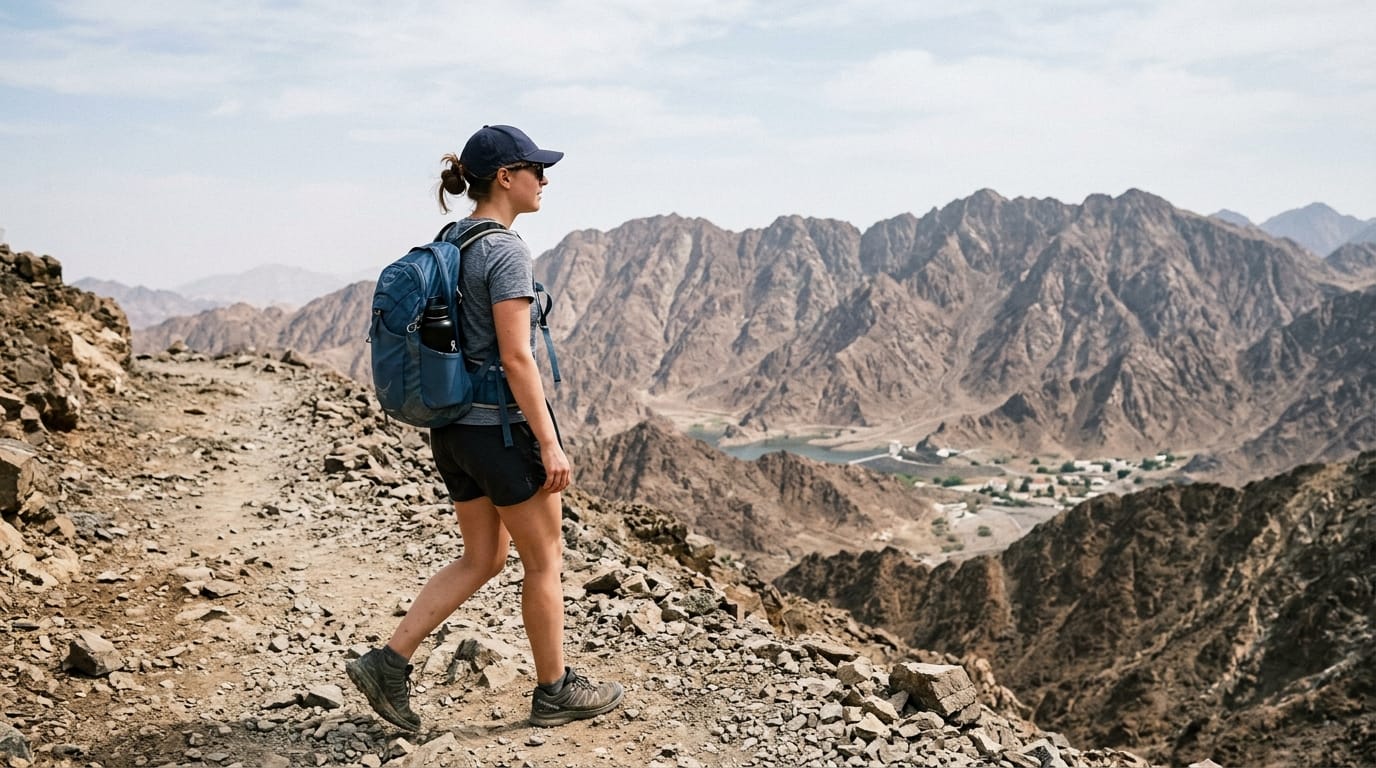
The terrain is rocky and uneven. Sturdy, closed-toe shoes with good grip are recommended for walking. In cooler months, a light jacket or fleece is useful because the temperature drops after sunset. A daypack with at least 1.5 litres of water per person is a minimum. Snacks, a basic first-aid kit, and a charged mobile phone are sensible additions. A paper map or a downloaded offline map is helpful because mobile reception can be patchy in the deeper valleys. If you plan to kayak, bring a change of clothes and a waterproof bag for your phone and keys. Sunscreen and sunglasses are essential all year round.
5. Timing your visit and crowd levels
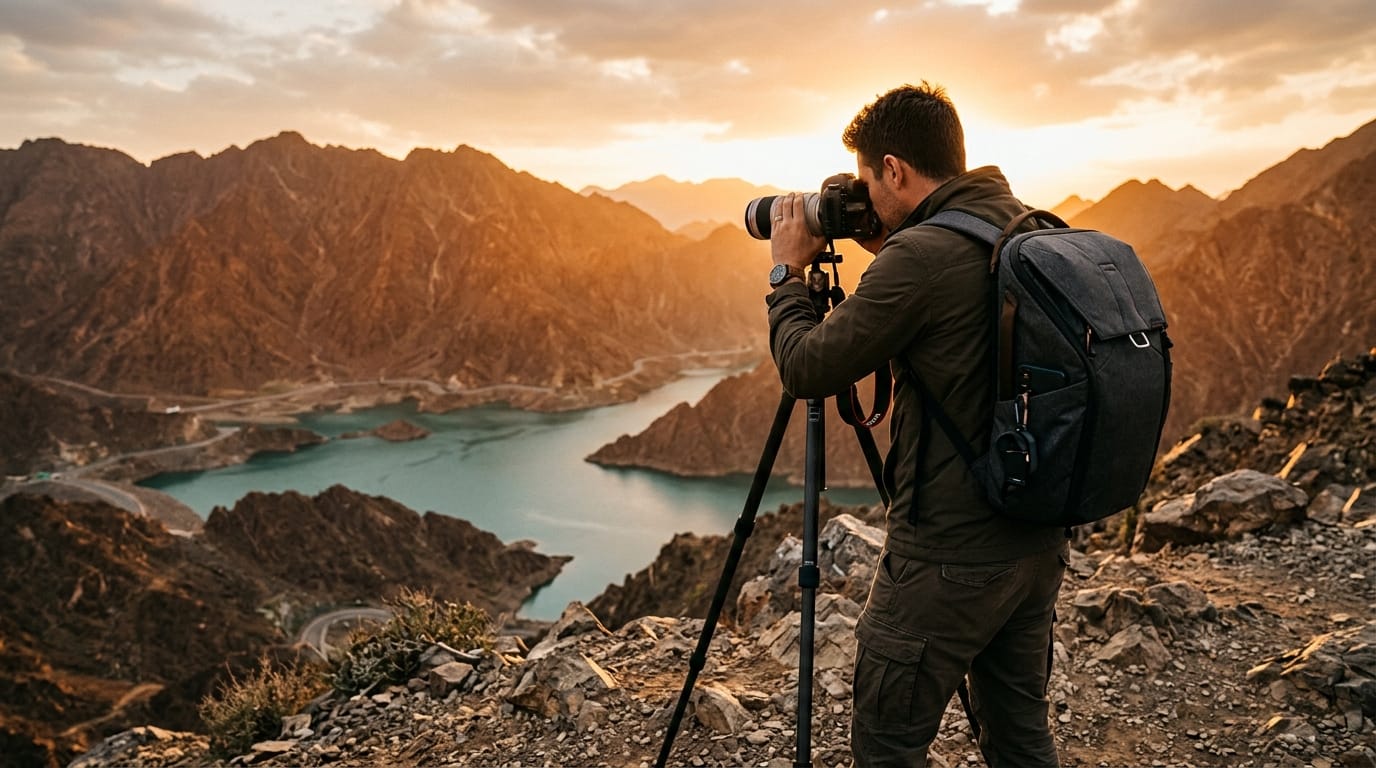
Hatta can be busy on Friday mornings, public holidays, and during school breaks. The dam and the heritage village draw the largest crowds. If you prefer a quieter experience, visit on a weekday, and arrive early, around 8:00 am. By mid-morning, the main parking areas fill up, and queues for kayak rentals can be long. Sunset is a popular time for photographs, so expect more people at the viewpoints around the dam during the late afternoon. Planning your itinerary to visit the Hatta Heritage Village first, then the dam later, can help you avoid the biggest rush. Remember that some attractions close by 6:00 pm, so check opening hours in advance.
6. Activities and booking requirements
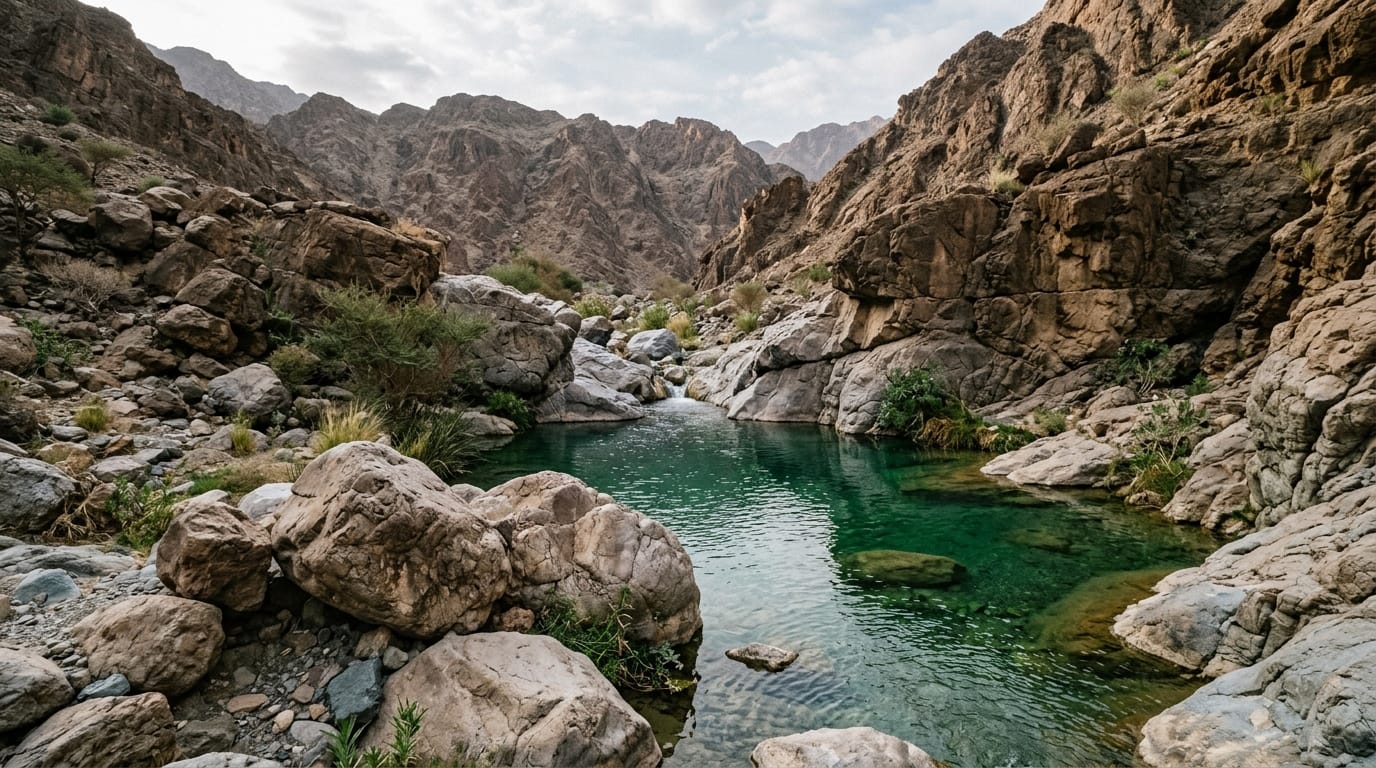
The range of activities in the Hatta area is wider than many visitors realise. Besides kayaking, there are mountain bike trails of varying difficulty, hiking routes that pass through old terraced farms, and the Hatta Hill Park with its play areas and picnic spots. The Hatta rock pools, a short walk from the road, are a natural attraction but can be dangerous after rain. If you plan to cycle, you can rent a mountain bike at the Hatta Wadi Hub, but it is wise to reserve it online a day ahead. For guided tours or group activities, such as a Hatta Mountain Tour Dubai, booking in advance is strongly recommended. Some operators require a minimum number of participants, so check the terms before you go. One of the best ways to see the area efficiently is to join a Hatta Mountain Tour Dubai, which typically covers the main sights and handles the logistics, leaving you free to enjoy the scenery.
7. Food and water availability
There are a few small cafes and food trucks near the dam and the Hatta Wadi Hub, but the selection is limited. Most serve snacks, sandwiches, and drinks. For a proper meal, you will need to drive to the Hatta town centre, which has a handful of restaurants. If you have dietary restrictions or prefer a specific meal, bring your own food. A picnic at the Hatta Hill Park or beside the dam is a pleasant option. Remember to take all rubbish back with you; bins are not plentiful, and leaving litter spoils the experience for others.
8. Safety considerations
Hatta is generally a safe destination, but the natural environment demands respect. Stick to marked trails and paths. Do not climb on the dam walls or enter restricted areas. If you are hiking alone, tell someone your route and expected return time. The sun can cause heat exhaustion even in mild weather, so pace yourself and rest in the shade when needed. In case of an emergency, the nearest medical facility is the Hatta Hospital, a small clinic that can handle basic needs. For serious emergencies, you may need to travel back to the city, so carry a phone with a full battery and a car charger. Flash floods are a real risk after heavy rain; never attempt to cross a flowing wadi on foot or in a vehicle. Turn around and find higher ground.
9. Cultural etiquette and photography
The Hatta Heritage Village and the surrounding area are part of a community that values its traditions. Dress modestly when visiting the village or any local shops. Shorts and sleeveless tops are acceptable at the dam and the adventure hubs, but at the heritage site, covering shoulders and knees shows respect. Ask permission before photographing local residents, especially older people. Drones require a permit from the relevant authorities; flying one without permission can lead to fines. Be mindful of noise levels, especially in the early morning or late evening.
10. Connectivity and navigation
Mobile network coverage in the Hatta valleys is inconsistent. On the main road and around the dam, you will usually get a signal, but once you venture deeper into the wadis, it can drop out. Download offline maps of the area before you leave. Apps such as Google Maps allow you to save a section for offline use. A portable power bank for your phone is a good idea. If you rely on a GPS device, check that it has the latest maps. The road signs in the area are clear, but some minor turns are unmarked. Knowing the name of your destination or having its coordinates ready will help.
With these checks in hand, your trip to the Hatta mountains should be straightforward and rewarding. The landscape is striking, the activities are varied, and the pace is a welcome change from the city. Whether you choose to explore independently or join a guided tour, being prepared lets you focus on the experience rather than the logistics.